The Afro Taper Fade: Keeping Length on Top With Clean Sides
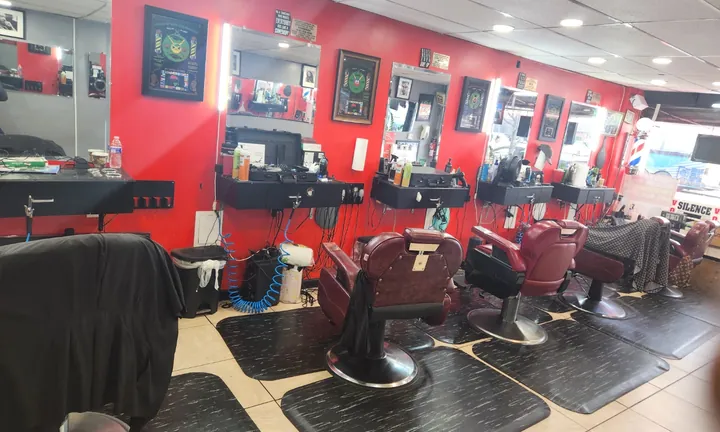
The afro is back on Merrick Blvd in a big way, and the version most men want is not the round 1970s shape. It is an afro with the perimeter cleaned up: length on top and at the crown, a low taper at the sideburns and the nape, and a line up that gives the whole thing an edge.
Here is the direct answer. A low taper fade afro keeps one to four inches of natural coil on top and around most of the sides, and fades only the bottom inch at the sideburns and neckline from skin or a 0 guard up into the afro. The afro is $30 on our list at Lilacroix Barbers in Laurelton, and the taper is cut into the same service. Below is how it compares to the mid and high versions, which styles sit on it, how to ask for it, and how to keep the afro soft between cuts.
What a low taper fade afro is and why it took over
A low taper fade afro is an afro with a short blend at the perimeter. The sideburns and the nape are taken down to skin or a 0 guard and faded up about an inch into the full length hair, and everything above that line stays an afro. From the front you see the shape of the afro; from the side you see a clean edge where it meets the face and the neck.
It took over because it solves the afro's one problem. A full afro with no taper looks great for a day and then looks unkempt, because the hair at the sideburns and neck grows at odd angles and the edges blur. The low taper gives the afro a frame. It stays low so you keep the roundness and the volume, but the edges are sharp, which makes the whole cut look deliberate instead of grown out.
There is a cultural piece too. The afro means something in Southeast Queens, and the taper version lets a man wear it at an office, in a uniform or at a wedding without anyone reading it as careless. The cut shows up on athletes, on musicians and on teenagers at the bus stop, and it looks right on all of them. On our services page it is listed as the afro at $30, and it includes the shaping on top and the taper at the edges.
Low vs mid vs high taper on an afro
On an afro the placement of the taper decides how round the cut looks. Low keeps the roundness, mid squares it a little, and high turns it into something close to a high top.
| Taper | Where the blend ends | Afro shape | Guard at the top of the blend | Looks sharp for |
|---|---|---|---|---|
| Low taper afro | About 1 inch above the ear and nape | Round, full at the sides | Blends into the full length, usually through a 2 and 3 | 2 to 3 weeks |
| Mid taper afro | Top of the ear, 1.5 to 2 inches | Slightly squared at the bottom | Through a 2, 3 and 4 | 2 to 3 weeks |
| High taper afro | Temple, 2 to 3 inches | Tall and squared, close to a high top | Through a 3 and 4 into the length | About 2 weeks |
| Afro with a skin fade | Any height, whole side | Top floats over bare sides | 0 to 3, then the length | 10 to 14 days |
The low taper is the one to start with if you are growing the afro out, because it keeps the most hair and gives the barber the most to work with next time. The high taper and the skin fade suit men who already have three inches or more on top and want the sides to disappear. For a closer look at the low placement on shorter hair, read our guide to the low taper fade for Black men.
Styles: short, big, with a beard, a line up, twists or a design
Six versions of the low taper afro cover almost everything we cut. They differ in how much is on top and what is done at the edges.
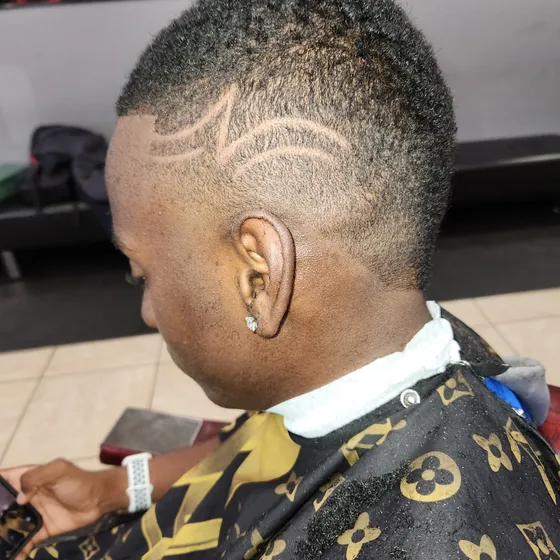
Short afro taper
One to one and a half inches on top, picked out and shaped round, with the low taper at the edges. This is the cut for men growing out from a crop, and it is the easiest afro to maintain because it does not need to be stretched or blown out.
Big afro taper
Three inches and up, shaped with shears and a pick into a full round or a slightly squared silhouette. The taper stays low so the volume is not lost, and the barber shapes the outline every visit so the afro looks the same size from every side.
Afro taper with a beard
The sideburn taper runs into the beard with no gap, and the beard gets its own line at the cheek and the neck. The combination makes the face look framed top and bottom. The beard trim and sculpt is a separate service and the Cut and Beard package bundles it with the cut.
Afro taper with a line up
A hard line across the front and squared corners at the temples. On an afro the line up is what separates a styled cut from a grown out one, and it is the first thing to fade, so most men take a $16 line up between full cuts.
Afro taper with twists
The afro on top is two strand twisted or finger coiled, and the taper underneath keeps the sides clean. Twists on a low taper hold for a week or two and unravel back into an afro when you are ready to wear it out.
Afro taper with a design
A single line, a double line or a pattern cut into the faded part of the side with a trimmer. Designs go into the taper, not the afro, because the hair has to be short to hold an edge. They last until the taper grows out, roughly two weeks.
Choosing by face shape
An afro adds height and width, so the question with face shape is where to add it. The taper placement and the afro shape do the work.
- Round face: build height, not width. Keep the afro taller than it is wide, square the sides slightly, and let the barber take the taper a bit higher at the temple.
- Square face: a rounder afro and a softer line up balance a strong jaw. Keep the taper low so the sides have some fullness.
- Oval face: any afro shape works, and this is the face that can take the big round version.
- Long face: keep the afro short, an inch to an inch and a half, and let it be a little wider than tall. A low taper, never a high one.
- Heart or diamond face: fullness at the sides is a help here, so keep the taper low and shape the afro with a bit of width at the temples.
If you are growing the afro out, the shape changes every month, and the barber will adjust it in the chair. Tell him what you want the finished size to be and he can shape toward it.
Complementary elements: beard line, hard part, design and waves
The afro taper takes details well because the taper gives the barber short hair to work in. Four additions come up again and again.
The beard line
A razor line at the cheek and a clean neckline make the beard a frame for the face, and the sideburn taper connects the two. This is the single addition that makes the biggest difference in photos.
The hard part
A shaved part cut with a trimmer along the side of the afro, usually just above where the taper ends. On an afro it is a strong look and it needs the taper to be fresh, so plan on a two week schedule if you want to keep it.
The design
Lines and patterns in the taper. Keep them simple if the afro is big, because the afro is already the statement.
Waves at the sides
Some men brush the sides of a short afro into a wave pattern while leaving the top picked out. It takes a 1.5 or a 2 on the sides with the grain and nightly brushing, and the low taper finishes it at the sideburns and neck.
How to ask your barber for a low taper fade afro
Say low taper afro, say the size you want on top, and say what you want at the edges. The afro is a cut the barber shapes by eye, so a photo of a man with your texture helps more than a guard number does.
- The name: low taper afro, or afro with a low taper. Not afro fade, which gets you shorter sides.
- The size: in inches, or say keep the length and just shape it.
- The shape: round, slightly squared, or tall.
- The bottom of the taper: skin, a 0 or a 0.5. If you get bumps at the nape, say a 0 guard and no razor.
- The line up: natural, squared or rounded corners.
- Extras: beard line, part, design, or sides brushed into waves.
The mistakes to avoid are asking for a fade when you meant a taper, letting the barber take the top down more than you wanted because it looked uneven, and asking for a hard line up on a hairline that has not settled yet. If your afro shrinks a lot when it dries, mention it; the barber will shape it stretched and then check it dry.
Maintenance: shaping the afro, the taper every two weeks, sleep care
The taper needs the barber every two to three weeks, and the afro needs you every day. Here is the schedule most of our afro clients keep.
| What | How often | Who does it | Price |
|---|---|---|---|
| Afro cut, shaped, with the low taper | Every 2 to 3 weeks | Barber | $30 |
| Line up between cuts | Week 1 or 2 after the cut | Barber | $16 |
| Shampoo and conditioning in the chair | With the cut, as wanted | Barber | Call for pricing |
| Pick out and shape | Every morning | You | |
| Wash and deep condition | Once a week | You | |
| Durag or satin cap | Every night | You |
Shaping at home
Pick from the roots outward in the morning, then pat the outline into shape with your palms. Do not cut the shape yourself with scissors; an afro that has been evened at home almost always comes in lopsided and the barber has to take more off to fix it.
Sleep care
A satin lined durag, a bonnet or a satin pillowcase stops the pillow from pulling moisture and crushing one side flat. If the afro is big, a loose satin cap is more comfortable than a tight durag and does the same job. In the morning a spray bottle of water and a pick bring it back.
The taper
Leave it alone. The taper grows out evenly by itself and the line up is $16 if you want it crisp in between. Household clippers at the sideburn leave a notch that takes two weeks to disappear.
Products that keep the afro soft
An afro is only as good as its moisture. Dry coils break, shrink and look dull; hydrated coils stretch, shine and hold a shape. The product list is short.
- Sulfate free shampoo, once a week, so the hair keeps its natural oil.
- A deep conditioner once a week, left in for a few minutes under a cap, to keep the coils from breaking.
- A leave in conditioner every morning on damp hair, which is where most of the softness comes from.
- A light oil to seal the moisture, and a drop on the taper so the short hair and the skin do not look ashy.
- A wide tooth pick and a spray bottle for shaping.
- A curl cream or a light gel only if you twist or want defined coils; heavy pomades and waxes sit on top of coils and flake white.
Heat is the other variable. A blow dryer on low with a pick attachment stretches an afro for a bigger look on the day, but daily heat dries coils out, so keep it for occasions. If the scalp is dry or flaking under the afro, a scalp treatment in the chair cleans and refreshes it, and if it keeps flaking after that, a dermatologist is the right call rather than more product.
Get your afro taper at Lilacroix Barbers in Laurelton
Lilacroix Barbers is at 232-12 Merrick Blvd in Laurelton, Queens, and the afro is $30 with the taper and the shaping included. Walk ins are welcome seven days a week, and you can call (718) 749-5800 to check the wait. Hours are Monday to Thursday 7:30 AM to 7 PM, Friday and Saturday 7 AM to 7 PM, and Sunday 7 AM to 5 PM.
The Q5, Q86 and Q87 stop at Merrick Boulevard and 233rd Street outside the shop, and the QM63 and QM65 express buses stop there too. Cash and major cards accepted. The afro, the fade, the line up and the rest of the list are on our services page.
Questions readers ask
How much hair do I need for a low taper fade afro?
About an inch on top is enough for the short version. Three inches or more gives you the big afro. Either way the taper only touches the bottom inch at the sideburns and nape.
Does a low taper afro grow out well?
Better than any other afro cut. The blend is short, so it softens evenly, and a $16 line up at the two week mark keeps the edges crisp until the next $30 cut.
Can I get a design cut into an afro taper?
Yes. Designs go into the faded part of the side where the hair is short enough to hold an edge, and they last until the taper grows out, about two weeks.
How do I keep an afro from drying out?
Wash once a week with a sulfate free shampoo, use a leave in conditioner every morning on damp hair, seal with a light oil, and sleep in a satin lined durag or cap.