What a Scalp Treatment Does for Dandruff, Dryness and Waves
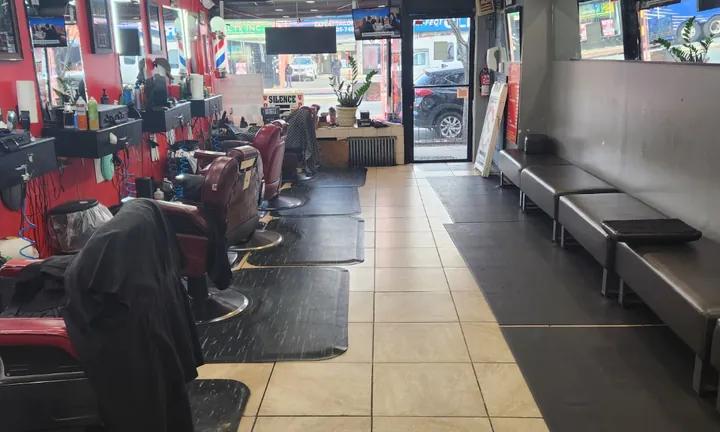
Most men think about their hair and never about the skin it grows out of. Then the flakes show up on a black shirt, or the scalp itches under a durag, or the waves stop laying because of buildup, and the scalp gets attention for the first time in years. A scalp treatment is the barbershop answer to that, and on coily hair, which runs dry and gets covered in product and headwear, it does more than most men expect.
The direct answer: a scalp treatment cleanses the scalp, exfoliates the dead skin and buildup that shampoo leaves behind, and refreshes the skin so hair grows from a clean base. It helps with flaking, dryness, itch and the gunk that stops waves from forming. It does not cure a skin condition, and we say so below along with what happens in the chair and how to keep the scalp right between visits.
What a scalp treatment does, in three steps
A scalp treatment is three steps done on the skin of the head rather than on the hair: cleanse, exfoliate, refresh. Each one handles a problem that a normal shampoo in the shower does not reach.
- Cleanse. A deep cleansing wash worked into the scalp with the fingertips, section by section, to lift oil, sweat, product and the residue that sits at the roots under coily hair.
- Exfoliate. A gentle scrub or exfoliating treatment that loosens dead skin, flakes and the hard buildup around the follicles, then a thorough rinse.
- Refresh. A conditioning or soothing step that puts moisture back into the skin and calms any itch, finished with a rinse and a dry.
At Lilacroix the scalp treatment is call for pricing, and it is also the last step of The Full Service package. It pairs naturally with a haircut, because a clean scalp under a fresh fade is the point. The hair on top looks better when the skin underneath is clean, and anyone who wears waves or a durag will see the difference in how the hair lies.
Why the scalp is the foundation
Hair is dead once it leaves the follicle. Everything that decides how it grows, how it feels and whether it stays put happens in the skin. A scalp that is dry, clogged or inflamed grows hair that is dull, breaks, and comes with flakes.
Coily hair has a particular problem. The scalp's natural oil has a hard time traveling down a tightly coiled strand, so the scalp can be oily while the hair is dry. Men respond by adding grease, oil and moisturizer, and because the hair is dense, most of it ends up on the scalp rather than on the strands. Add a durag or a wave cap worn for hours, sweat, and a wash once a week or less, and the scalp becomes a layer of old product and dead skin. Shampoo on top of that mostly cleans the hair. The scalp underneath stays coated.
That coating is where the common complaints come from: itch, flakes, a scalp that smells by day three, and waves that will not lay no matter how much you brush. Clearing it is what a scalp treatment is for.
Dandruff or dry scalp: they are not the same thing
Dry scalp is skin that lacks moisture and sheds small, white, dry flakes. Dandruff is usually an oily scalp with larger, yellowish, greasy flakes and more itch. They look alike on a shirt collar and they need opposite care.
A dry scalp wants less stripping and more moisture: fewer harsh washes, warm water instead of hot, and a treatment that cleans gently and conditions the skin. A dandruff scalp wants the oil and buildup cleared and the skin calmed, which is where the exfoliating step earns its keep. In the chair we can usually tell which one you have by the flake and by how the scalp feels under the fingers, and we adjust the treatment accordingly.
Here is the honest limit. Persistent dandruff is often a mild form of a skin condition called seborrheic dermatitis, and thick scaly patches can be psoriasis. A scalp treatment can make either feel better for a while, but it does not treat them. If your flakes come back within days every time, if there are red or raw patches, or if the scalp is sore, a dermatologist should look at it. Over the counter dandruff shampoos help many men, and a dermatologist can prescribe stronger ones. We do not recommend brands.
Itchy scalps and oily scalps
An itchy scalp is usually either dry skin, product buildup, or sweat and oil trapped under headwear. An oily scalp is the skin overproducing oil, often made worse by over washing, which strips the skin and tells it to make more.
For itch, the treatment clears what is irritating the skin and the refresh step calms it. Most men feel the difference while still in the chair. Keeping it away comes down to washing often enough that product does not pile up, usually once or twice a week on coily hair, and not sleeping in a sweaty durag. For oil, the exfoliating step clears the roots, and the fix at home is a gentle shampoo on a regular schedule rather than a harsh one whenever it feels greasy.
The itch that a treatment does not fix is the one that comes with bumps, sores, or hair loss in patches. That can be an infection, folliculitis, or a condition that needs medicine, and it goes to a doctor, not a barber. We will tell you if we see it, because we are looking at your scalp more closely than you ever do.
Waves, durags and buildup
Waves are the number one reason men in our chairs ask about scalp care. A wave pattern needs the hair to lay flat in the direction you brush it, and that only works when the hair is clean at the root and the scalp is not coated.
The wave routine itself causes the problem. Brushing several times a day pushes product down to the scalp. Pomade, moisturizer and wave grease build up in layers. A durag every night traps sweat and oil against the skin. After a few weeks the roots are stiff with buildup, the hair lifts instead of laying, and the scalp itches. Men respond with more product and more brushing, which makes it worse.
A scalp treatment resets it. The cleanse lifts the layers of product, the exfoliation clears the follicles so the hair can lay from the root, and the refresh puts moisture back without the weight. Most wavers get a treatment with their cut every two to three weeks and then keep it light at home: a wash once a week, a light moisturizer instead of heavy grease, brushing on a damp scalp, and a clean durag. The shampoo and conditioning service is the lighter option between full treatments.
What happens in the chair
You sit back at the shampoo station, the barber works through the three steps on your scalp, and you leave with clean skin under your cut. It fits before a haircut, so the fade goes onto a clean head, or on its own.
The barber starts by looking at the scalp and asking what you are dealing with: flakes, itch, buildup, waves. The cleanse goes on and gets worked in with the fingertips in sections so every part of the scalp is reached, which is the part you cannot do well yourself through dense hair. The exfoliating step follows, with a light pressure that lifts dead skin without scratching. Then the refresh, a conditioning step that sits on the scalp for a few minutes before a final rinse. The whole thing is calm. A lot of men say it is the most relaxing part of the visit.
If you want everything at once, The Full Service on our packages page bundles the haircut, line up, beard trim and sculpt, a hot towel shave finish and the scalp treatment into one chair. Packages are call for pricing. On its own, the treatment pairs well with a $25 haircut or a $30 fade.
A scalp routine between visits
A treatment every two to three weeks handles the deep clean. What you do on the other days decides whether the flakes and itch come back. The routine for coily hair is simple and short.
| Day | Scalp | Hair |
|---|---|---|
| Day 1 (wash day) | Shampoo worked into the scalp with fingertips, rinse fully | Condition the lengths, moisturize on damp hair |
| Days 2 to 3 | Nothing, let the skin settle | Light moisturizer if dry, brush or pick |
| Day 4 (mid week) | Rinse with warm water only, or a light scalp cleanse if you sweat a lot | Moisturize |
| Days 5 to 7 | Nothing on the scalp | Brush, pick, cover at night |
- Wash once a week, twice if you train hard or wear a durag daily. Daily washing dries coily hair.
- Keep oil and grease on the hair, not the scalp. A few drops on the ends does more than a palmful at the roots.
- Wash the durag or wave cap every few days.
- Use warm water, not hot. Hot water strips the skin and starts the dry flake cycle.
- Book the next treatment when the itch or the stiffness at the roots comes back, usually two to three weeks.
The full list of what we offer, including the treatment and the shampoo service, is on our services page.
When a barber is not enough
A scalp treatment cleans and calms. It does not treat disease. If something on your scalp keeps coming back within days, hurts, bleeds, or takes hair with it, that is a dermatologist's job and we will say so.
The signs: thick scaly patches that are red or silver, flakes that return within two or three days every time, sores or pus filled bumps, patches of hair loss, a scalp that is painful rather than itchy, or itch that keeps you up at night. Any of those can be seborrheic dermatitis, psoriasis, a fungal infection, folliculitis, or a form of hair loss that needs medicine. A dermatologist can diagnose it and prescribe what a barber cannot. The treatment is still useful alongside medical care for keeping the scalp clean, but it is the second step, not the first.
For everything short of that, which is most men, a treatment every few weeks, a wash day routine, and less product at the roots will keep the scalp clear and the waves laying.
Get a scalp treatment at Lilacroix Barbers in Laurelton
Add it to your next cut and feel the difference on the walk home. Lilacroix Barbers is at 232-12 Merrick Blvd in Laurelton, where the Q5, Q86 and Q87 stop at Merrick Boulevard and 233rd Street. We are open Monday to Thursday 7:30 AM to 7 PM, Friday and Saturday 7 AM to 7 PM, and Sunday 7 AM to 5 PM. Walk ins are welcome, or call (718) 749-5800 to check the wait. Scalp treatments and shampoo and conditioning are on our services page, and The Full Service is on the packages page.
Questions readers ask
How often should I get a scalp treatment?
Every two to three weeks for men who wear waves, use heavy product or wear a durag daily. Once a month is enough for most others. Book it when the itch or stiffness at the roots comes back.
Will a scalp treatment cure dandruff?
It clears flakes and calms the itch, and for buildup or dry scalp that is often enough. Dandruff that returns within days is usually a skin condition, and a dermatologist should treat it.
Can I get a scalp treatment with my haircut?
Yes, and it works best that way. The treatment goes first so the cut goes onto a clean scalp. It is also included in The Full Service package.
Does a scalp treatment help waves?
Yes. It lifts the layers of product and dead skin that stop the hair from laying at the root. Most wavers see the pattern come back cleaner within a day or two of brushing on a clean scalp.